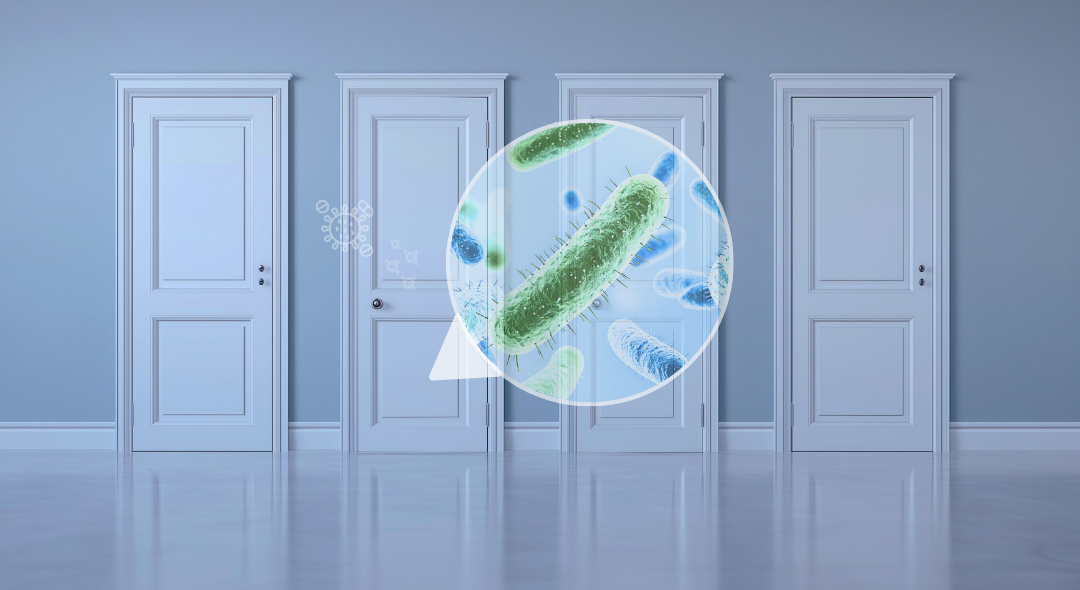
Antimicrobial Resistance (AMR) is the ‘real’ pandemic we are unaware of, yet one that is already close to us.
Antimicrobial Resistance (AMR) has been described as the “real” pandemic we are unaware of, yet nearby.
It can also be seen as a slow-moving but deadly pandemic, unlike acute infectious diseases such as COVID-19 that spread rapidly.
A pandemic is an outbreak of a disease that spreads across multiple countries and affects large populations worldwide.
AMR is no longer just a hospital issue — it is a community and public health issue.
Everyone has a role to play in preventing the spread of AMR.
Prevent infections and reduce use of antibiotics.
- Practice good hygiene: regular hand-washing with soap, cleaning surfaces, and proper sanitation.
- Avoid unnecessary antibiotic use. Only take antibiotics when prescribed and complete the full course.
- Never share antibiotics or use leftover or expired medication.
Maintain clean water, sanitation and waste management
- Ensure access to safe water and proper sanitation to prevent infections that might require antibiotic treatment.
- Properly manage sewage and wastewater. Treat and dispose of waste from homes, hospitals, and farms before release into the environment.
- Dispose of unused or expired antibiotics safely. Do not flush them down drains to avoid contaminating water systems.
Ensure responsible use of antibiotics in animals and agriculture
- Use antibiotics in livestock only when prescribed; avoid growth promotion or preventive use in healthy animals.
- Follow withdrawal periods to prevent antimicrobial residues in food.
- Maintain strict farm hygiene and waste management to prevent environmental AMR contamination.
Promote research, surveillance, and regulation for AMR control
- Support national AMR action plans and multisector surveillance.
- Regulate antibiotic production and manage pharmaceutical waste to prevent environmental contamination.
- Monitor and enforce rules on antibiotic use and waste to curb resistant bacteria.
Educate and build awareness among the public and stakeholders
- Raise awareness on AMR, responsible antibiotic use, and hygiene.
- Educate communities on safe water, sanitation, food safety, and environmental protection.
- Promote cross-sector collaboration in health, agriculture, and environment to tackle AMR.
Conclusion:
AMR is a silent global threat that won’t disappear on its own. Combating it requires action at every level: from promoting responsible antibiotic use and improving hygiene, to smarter infection control, innovative treatments, stronger policies, and cross-sector collaboration.
Together, we can protect the effectiveness of antibiotics for generations to come.
AMR is not just a clinical or hospital problem; it is a public concern.