

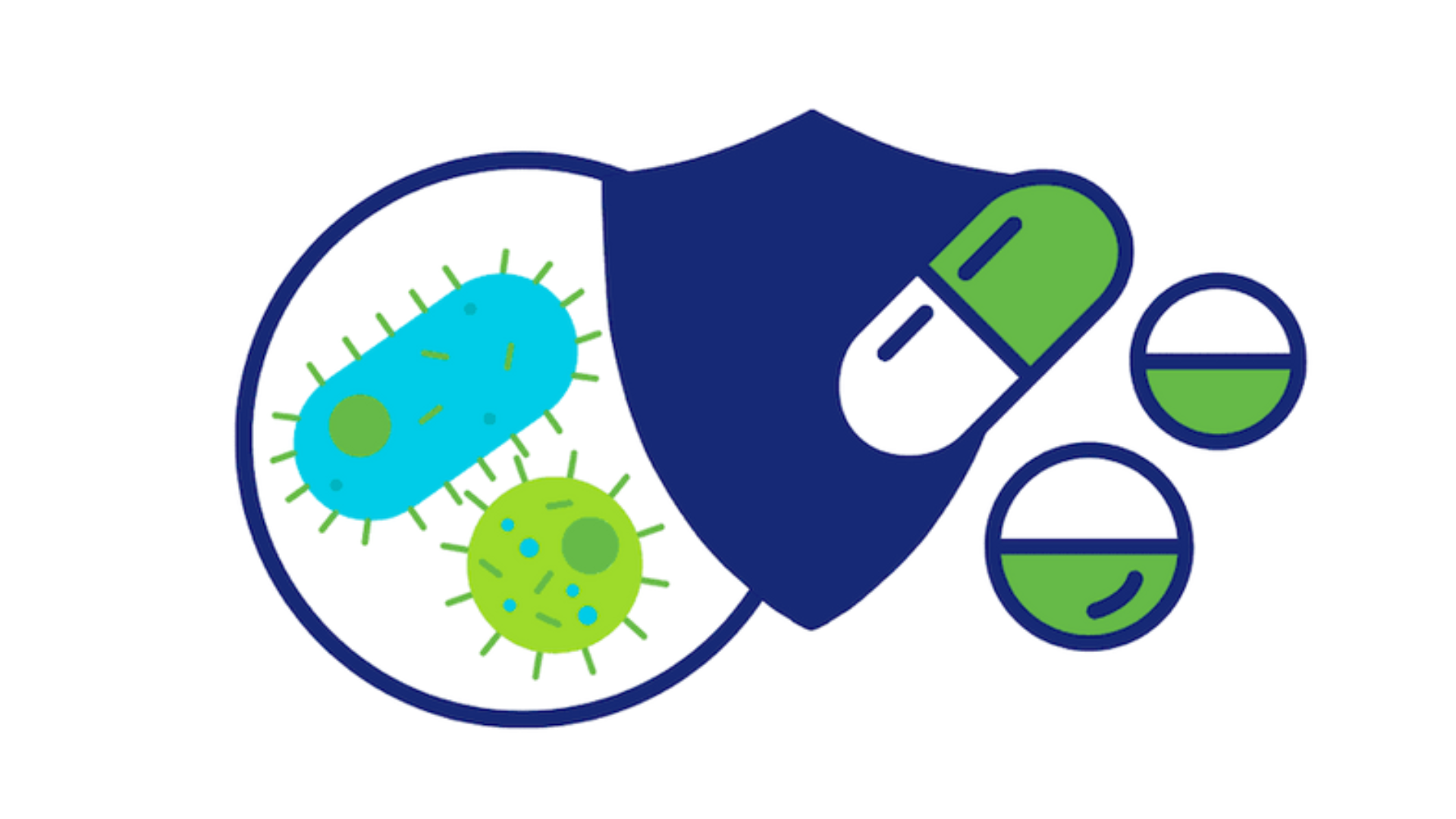
Antimicrobial resistance (AMR) occurs when microorganisms such as bacteria, viruses, fungi or parasites develop the ability to survive or grow despite the presence of antimicrobial agents and antibiotics that would normally kill or inhibit them.
These microbes may initially resist a single drug and eventually accumulate resistance to multiple drugs, becoming harder to treat.

The bacteria or germs that have become resistant to several antibiotics are known as Multidrug-Resistant Organism (MDRO) or superbugs. MDRO infections are harder to treat, take longer to heal, and can spread easily in hospitals or communities.
In 2024, WHO listed 15 types of antibiotic-resistant bacteria, ranked as critical, high, or medium priorities for research and public health action.


From 2016 to 2022, Malaysia’s Ministry of Health reported that six types of superbugs (MDROs) are becoming a growing concern.
Acinetobacter baumannii commonly causes ventilator-associated pneumonia, bloodstream infections, and urinary tract infections (UTIs). Carbapenem-resistant Enterobacterales (CRE) are responsible for pneumonia, sepsis, and UTIs. Extended-spectrum beta-lactamase-producing Klebsiella pneumoniae (ESBL-KP) and Escherichia coli (ESBL-EC) frequently cause UTIs and bloodstream infections, with ESBL-KP sometimes leading to pneumonia. Methicillin-resistant Staphylococcus aureus (MRSA) can result in wound and skin infections, pneumonia, and sepsis, while vancomycin-resistant enterococci (VRE) may cause UTIs, sepsis, and endocarditis.
These infections highlight the growing threat of antibiotic resistance in Malaysia and the importance of monitoring, prevention, and responsible antibiotic use.
Health impact of MDROs

The health impact of multidrug-resistant organisms (MDROs) is significant. Infections caused by these pathogens are often more severe and associated with worse clinical outcomes. Treatment options are limited, which can lead to longer hospital stays and increased healthcare utilization. Vulnerable populations, including the elderly and immunocompromised, bear a greater burden from these infections, highlighting the urgent need for effective prevention and management strategies.
Looking Ahead

Antimicrobial resistance (AMR) and multidrug-resistant organisms (MDROs) are serious health threats that make common infections increasingly difficult to treat. This issue is not only global; Malaysia is also experiencing its growing impact. Understanding how these superbugs emerge, spread, and affect human health, food systems, and the environment is a critical first step toward developing effective prevention and management strategies.