
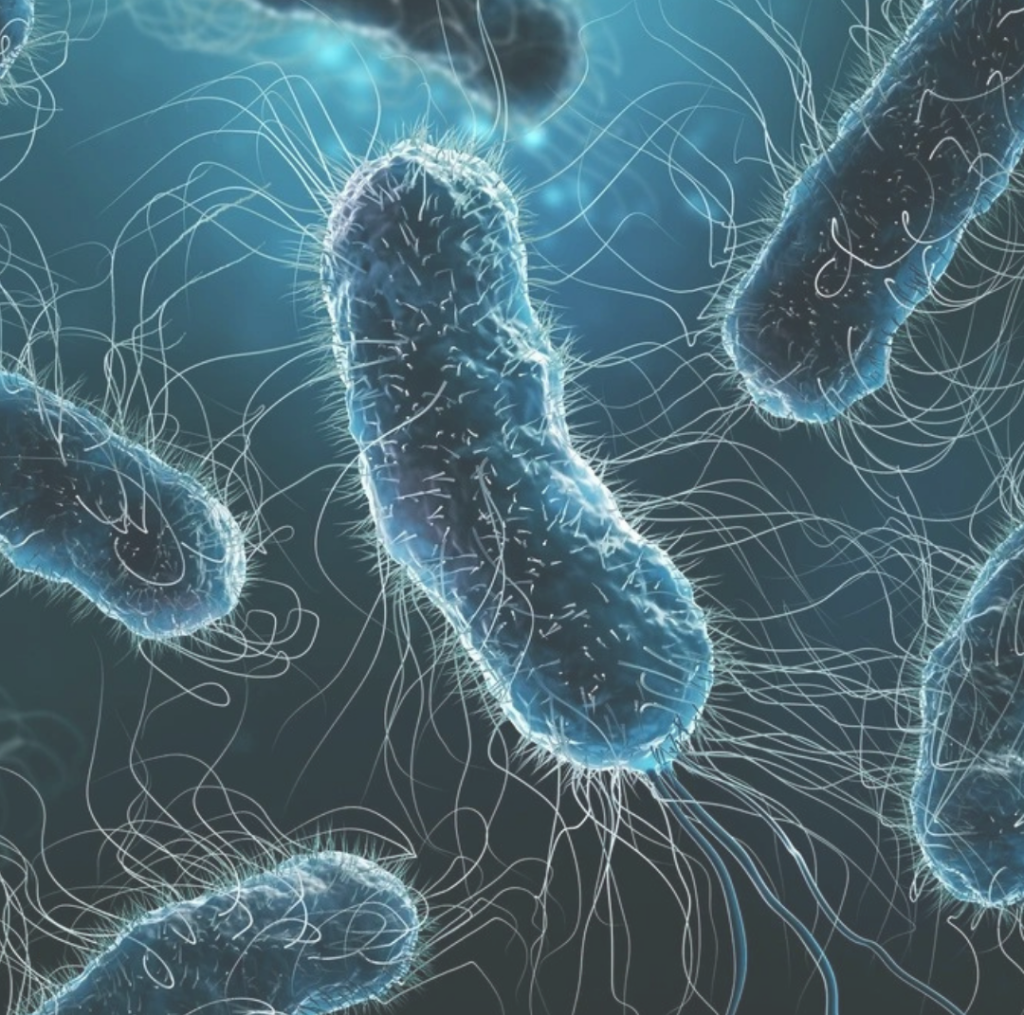

It starts with one contaminated surface.
Contamination can originate from various sources, including:
A single contaminated surface can become the starting point of microbial transfer, allowing microorganisms to spread to other surfaces through contact and daily activities.
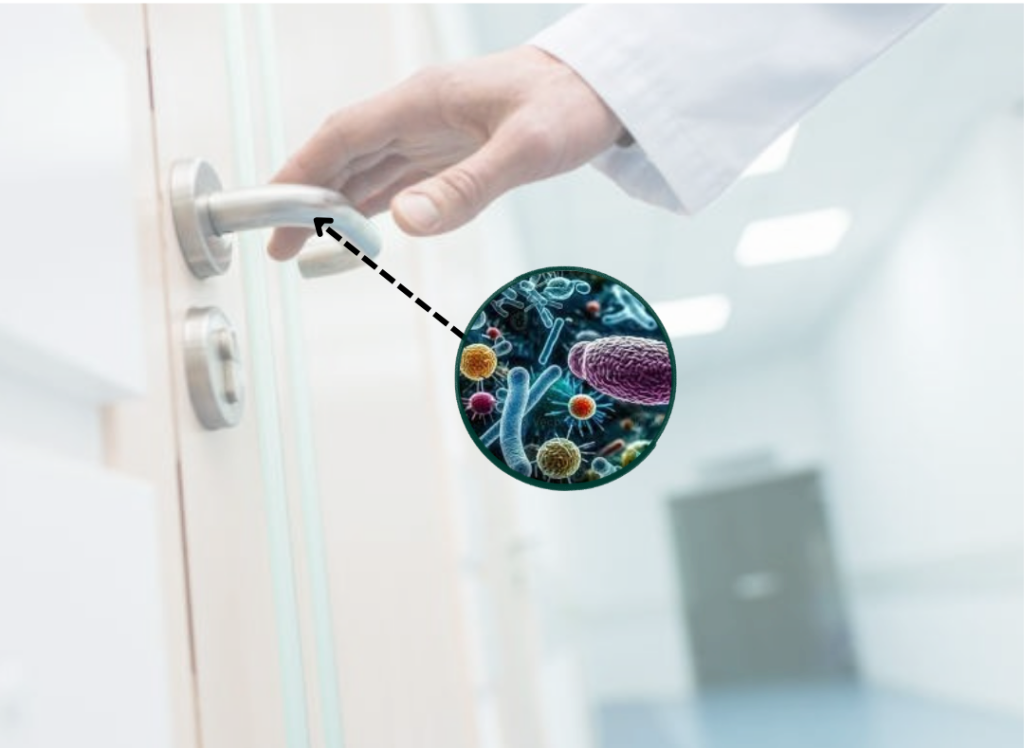
Bacteria can transfer from contaminated surfaces to a person’s hands.
Most microorganisms cannot move on their own over long distances. Instead, they rely on human contact and activities to be transported from one surface to another.
This process can lead to cross-contamination.
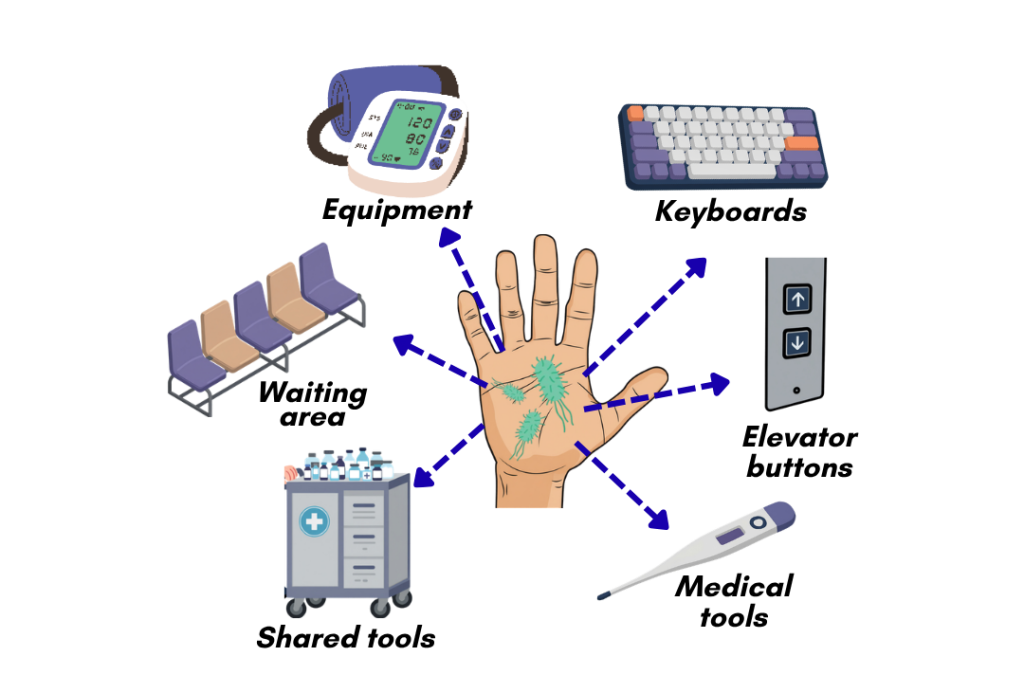
Without proper hand hygiene, germs can spread from one contaminated surface to multiple surfaces and shared equipment.
Commonly touched areas that may become contaminated include:
Contamination can spread quickly through frequent contact with shared surfaces, allowing microorganisms to reach more environments than people often realize.
The Critical Moment
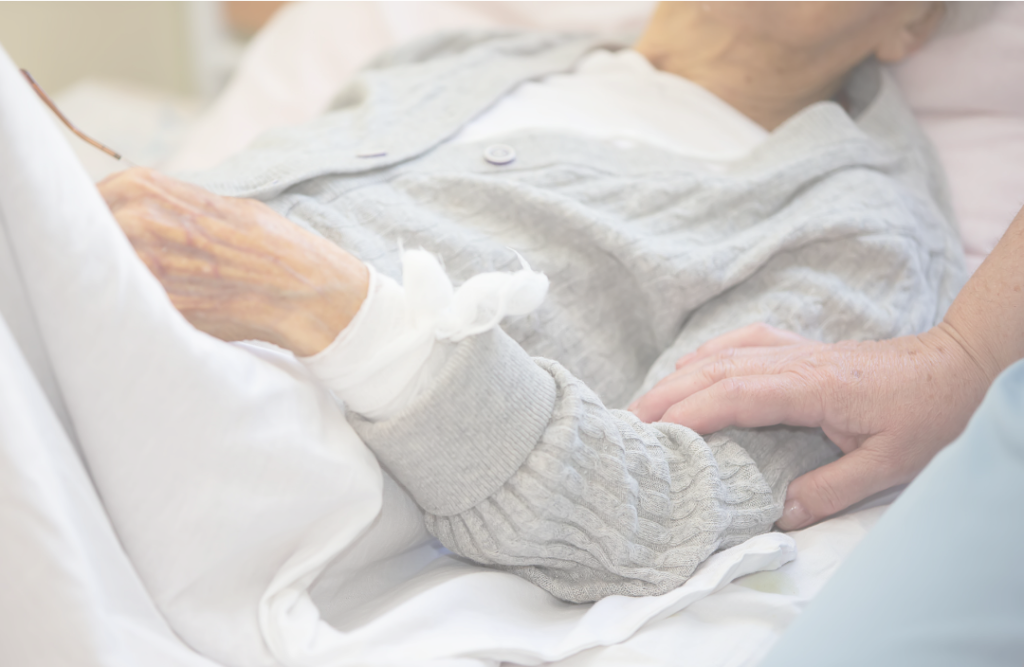
After spreading through multiple surfaces and touchpoints, microorganisms may eventually reach a vulnerable individual. This could include a patient, healthcare worker, visitor, food handler, elderly person, or someone with a weakened immune system.
Through contact with contaminated equipment, surfaces, or hands, the germ gains an opportunity to enter the body and potentially establish an infection.
Not everyone who is exposed becomes sick, but every infection begins with an exposure event. This makes exposure a critical moment in the process of infection development.
The Critical Moment
An outbreak may already be developing before the first case is identified.
During this period:
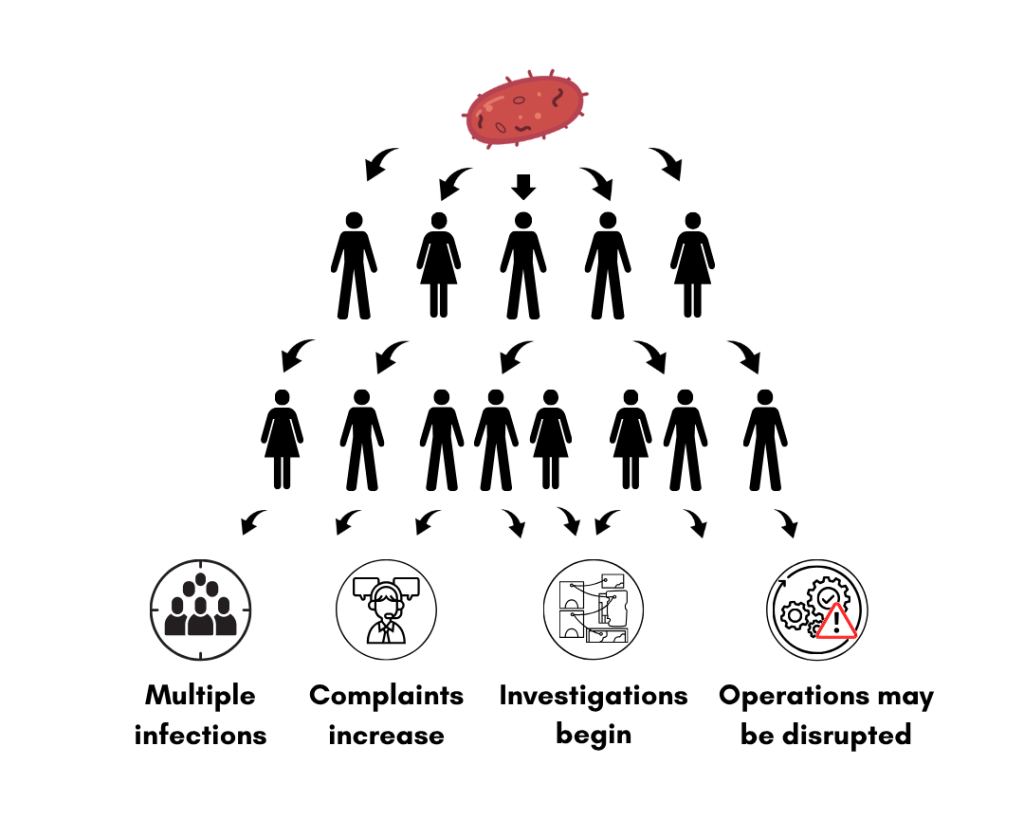
One germ can become multiple cases when transmission continues unnoticed.
This may lead to:
Outbreaks rarely begin with a dramatic event. They often begin with a single missed warning sign.
Break the chain before it spreads.
Effective prevention requires early action, including: